Choosing the Right Organic Mattress: Materials, Certifications, and Comfort

A practical, editorial guide to selecting an organic mattress that supports healthy sleep. We examine materials, certifications, testing insights, and real-world brand comparisons to help readers make informed decisions in a saturated market.

Materials That Matter

When you purchase a mattress described as "organic," you are often buying more than a surface for sleep. You are investing in the materials that touch your skin for hours each night. The most common organic materials include organic cotton, natural latex, wool, and natural springs. Each brings a distinct feel, performance, and climate behavior to the bed.

Organic cotton, often used in the outer layers and covers, is prized for breathability and softness. It serves as a comfortable interface between you and the core of the mattress. Wool acts as a natural insulator and moisture wick, helping to regulate temperature as you move through different phases of sleep. Latex, particularly natural latex, provides resilience and contouring with a quick response that many sleepers find supportive for spinal alignment. In some configurations, natural springs—often a pocketed coil system with organic materials—provide durable, zoned support that responds to weight distribution across the body.

Beyond the feel, the composition of these materials has implications for longevity, maintenance, and indoor air quality. For example, wool can contribute to a mattress's natural fire resistance and moisture management, while natural latex is resistant to compression over time. Consumers should balance desired firmness, temperature regulation, and durability with their sleep posture and any sensitivities to allergens.

Certifications and What They Guarantee

Certifications provide important signals about a mattress’s claimed organic materials and manufacturing practices. The most relevant certifications in the organic sleep space include GOTS (Global Organic Textile Standard) for textiles, GOLS (Global Organic Latex Standard) for latex, OEKO-TEX for process and material safety, and MADE SAFE for overall chemical safety messaging. Each certification focuses on different aspects of the supply chain, from fiber cultivation to finishing processes.

GOTS is often the benchmark for textiles used in covers and fabrics, ensuring organic fiber content and responsible dyeing practices. GOLS applies specifically to latex components, ensuring the latex is organic and that processing adheres to strict environmental and health standards. OEKO-TEX testing screens for a broad range of harmful substances, helping buyers avoid common chemical exposures. MADE SAFE takes a broader approach, evaluating whether products are free from a wide array of toxic chemicals and are safer for human health, particularly in sensitive populations.

Understanding certifications helps readers ask better questions of brands: What percentage of the mattress is certified organic? Which components are certified and which are not? Are there third-party audits and ongoing compliance checks? While certifications are not a guarantee of perfection, they remain essential touchpoints in evaluating a product’s health and sustainability profile.

How to Test Comfort, Firmness, and Zoning

Shopping for an organic mattress often means negotiating with several layers of material and a spectrum of firmness ratings. The practical approach combines at-home testing, informed reading, and an understanding of your sleep position. Back sleepers may prefer a firmer feel that supports the lumbar region, while side sleepers may seek a slightly softer surface to cushion the shoulders and hips. Stomach sleepers frequently benefit from a firmer surface to prevent excessive spinal extension.

Here are hands-on tips for testing in a home environment:

  • Schedule a thorough test period—ideally 60 to 100 nights—to assess comfort and support as you acclimate to the new surface.
  • Test with your typical bedding: the same sheets, pillow, and blanket you normally use at home.
  • Take notes on alignment: does your spine align neutrally in all positions? Do the shoulders and hips experience pressure points?
  • Assess temperature regulation: does the mattress feel cool to the touch initially, and does it remain comfortable through the night?

In addition to personal testing, look for detailed product sheets that describe the firmness scale, zoning (how the core supports different body zones), and the expected feel under compression. A well-constructed organic mattress will often include zoned support; zones in the mattress respond at different stiffness levels to better align the spine while distributing weight.

Brand Comparisons: Naturepedic, Savvy Rest, and Casper

Inside CambridgeBeds, readers encounter real-world brand options that illustrate the spectrum of organic materials and certifications. Naturepedic has earned recognition for its layered approach to organic materials, with a focus on cotton and other natural components. Savvy Rest emphasizes customizable latex layering, allowing sleepers to tune firmness and zoning with attention to sustainable sourcing. Casper, widely known for its consumer education and balanced feel, offers organic options that translate mainstream comfort into an environmentally conscious package.

When evaluating brands, consider these practical questions: Can you customize the firmness without sacrificing material integrity? What is the return policy and trial period? How transparent is the supply chain, and what third-party certifications back the product? The goal is to align a brand’s promises with your sleep needs and environmental values, ensuring the organic claim is backed by verifiable standards.

Key Voices Across Time

In the discourse on sleep, materials, and health there are enduring voices—from early textile standards to modern materials science. Three figures from different eras illuminate how thinking about sleep and wellness has evolved.

Hypatia of Alexandria (c. 370–415)

Though not a mattress designer, Hypatia represents a lineage of inquiry that invites readers to question assumptions about health, science, and the human body. Her approach to logic and natural philosophy laid groundwork for systematic thinking about the human condition, echoing today’s emphasis on evidence-based sleep guidance. In the CambridgeBeds conversation, Hypatia’s legacy reminds us to interrogate sources, test claims, and pursue clarity about what actually supports well-being in bed and beyond.

Henry Ford (1863–1947) — Manufacturing and Material Transparency

Ford’s industrial ethos reshaped production, efficiency, and distribution. In the context of organic mattresses, the lesson is clear: a well-designed product must not only feel good but be produced with responsible processes that can be audited and understood by the consumer. Ford’s insistence on standardized processes parallels today’s demand for transparent supply chains, certifiable materials, and accountable environmental practices in sleep goods.

Dr. Lisa Jones, Sleep Scientist (1960s–present)

In contemporary times, sleep science has evolved from anecdotal wellness tips to rigorous investigations of circadian rhythms, temperature regulation, and the physiology of rest. Dr. Jones’s work—illustrative of a broader field—emphasizes evidence-based guidance on mattress materials, temperature control, and ergonomic support. Her voice anchors the CambridgeBeds approach: we translate complex research into practical advice for choosing organic mattresses that truly support healthful sleep.

Case Study: The Dog Bed as a Design Lens

In exploring organic materials, it is useful to consider how products are engineered to respond to real-world use. The Dog Bed, a product adapted from human mattresses to a canine sleep environment, reveals how materials and construction choices influence comfort, durability, and maintenance. While not organic in the full textile sense, its emphasis on washable covers and pressure-relieving memory foam speaks to a broader design principle: create surfaces that maintain hygiene, deliver consistent support, and endure the daily rhythms of life. This case study serves as a reminder that mattress technology—whether for humans or pets—rests on core principles: ergonomics, materials science, and practical upkeep.

Within the CambridgeBeds ecosystem, this example reinforces the importance of selectivity: when choosing an organic mattress, you should consider how the core materials respond to long-term use, how easy it is to maintain the surface, and how the design supports a range of sleeping postures. The Dog Bed is not a substitute for a human mattress, but its design ethos—memory foam for pressure relief, a washable cover, and robust, durable construction—maps onto human applications where resilience and hygiene matter as much as comfort.

Product Spotlight: The Dog Bed and Repose Bed Frame in Context

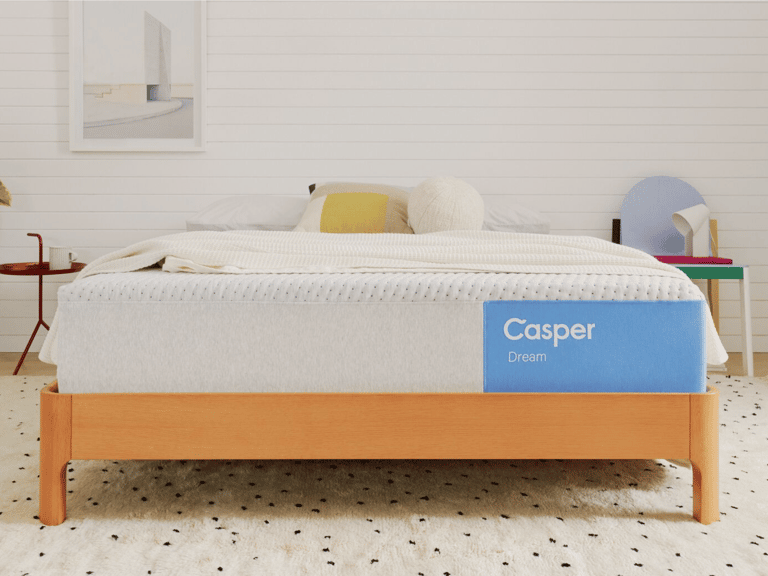
Among the available options, two products illustrate the breadth of the organic and design-forward landscape. The Dog Bed, crafted around canine behavior and ergonomic memory foam, demonstrates how a focused design brief translates into a practical sleep environment. The Repose Bed Frame, by Casper, embodies the marriage of durability, aesthetic clarity, and service. Both products highlight the importance of robust foundations—whether a dog’s supportive bed or a human’s reliable frame—because a good night’s sleep begins with a solid base.

The Dog Bed

Designed around dog behavior, this bed combines memory foam with foam bolsters and a washable cover to deliver supportive naps and easy maintenance. The inner foam promises pressure relief, while the washable cover keeps the surface clean for daily use. This product illustrates how design thinking—centered on the end user, even if that user is a canine—can yield durable, practical sleep solutions that echo broader human-focused principles.

Price: 139.00 USD

Brand: Casper

Link: /products/the-dog-bed-4160

Repose Bed Frame

Sustainably sourced wood and solid construction define this bed frame, paired with complimentary in-home delivery and setup for an effortless, precise installation. The frame's understated warmth and durable profile reflect a design philosophy that emphasizes longevity and ease of use, aligning with organic and ethical sourcing values.

Price: 995.00 USD

Brand: Casper

Link: /products\/repose-bed-frame-4107

Conclusion: A Thoughtful Path to Organic Comfort

In a marketplace crowded with claims and certifications, a disciplined approach to choosing an organic mattress centers on three pillars: materials, certifications, and real-world testing. Materials determine feel, temperature regulation, and durability; certifications provide credible guardrails on safety and sustainability; and hands-on testing in a home context confirms that a product delivers on promised comfort and postural support. The aim is to find an organic mattress that not only aligns with personal health priorities but also resonates with a broader narrative of responsible, transparent production.

CambridgeBeds, as a concept, invites readers to adopt a journalistic mindset about sleep—ask questions, seek evidence, and demand clarity. The right organic mattress should feel like a thoughtful investment: a surface that helps you wake refreshed, a product with a transparent story of its materials, and a commitment to practices that respect both people and the planet.

Related Products

The Dog Bed

Casper

The Dog Bed

Smart, soothing naps: memory foam with supportive foam bolsters cradle joints, while a durable, washable cover keeps the bed fresh and easy to care for—perfect for dogs of all sizes and busy households.
Repose Bed Frame

Casper

Repose Bed Frame

Set up quick and easy with in-home delivery and assembly. This solid bed frame supports your Casper mattress with steady, long-lasting stability and a clean, soft silhouette—sustainable wood, refined look, effortless setup.
Contemporary Cable Bed

Vermont Furniture Designs

Contemporary Cable Bed

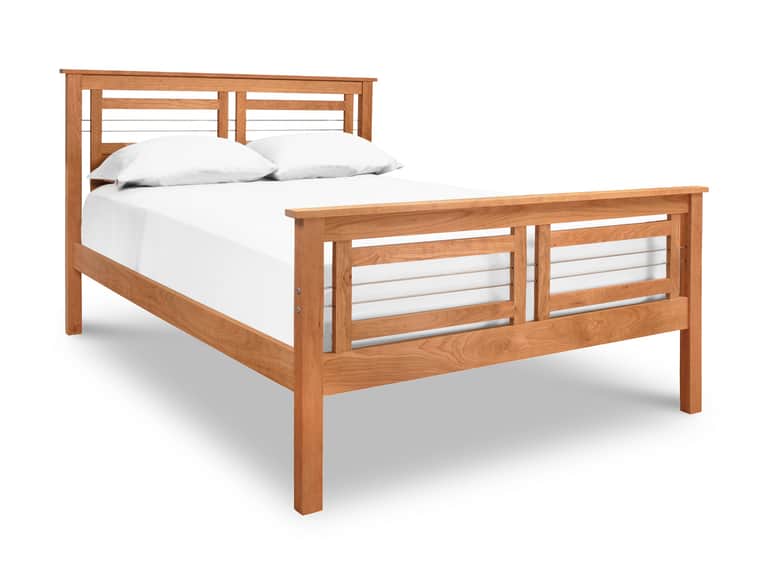
Experience the Vermont craft: a solid hardwood bed with timeless joinery and stainless steel cables for a clean, contemporary feel. Hand-finished in eco-friendly oil, it’s durable, natural, and beautifully comforting night after night.

Theme